
IVF with Genetic Testing and Sex Selection
Greater Precision, Better Results
The combination of In Vitro Fertilization (IVF) with Preimplantation Genetic Testing for Aneuploidy (PGT-A) helps identify chromosomally normal embryos before transfer.
This test can determine embryo sex and detect chromosomal conditions such as Down, Patau, Edwards and Klinefelter syndromes.

Step-by-Step Process

Ovarian Stimulation
Medication is used to stimulate ovarian follicles in order to obtain the highest possible number of high-quality eggs.

Egg Retrieval
Eggs are collected through ultrasound-guided aspiration in our specialized operating room under light sedation.

Sperm Preparation
Sperm is processed in the lab to select the best motility and morphology before fertilization.
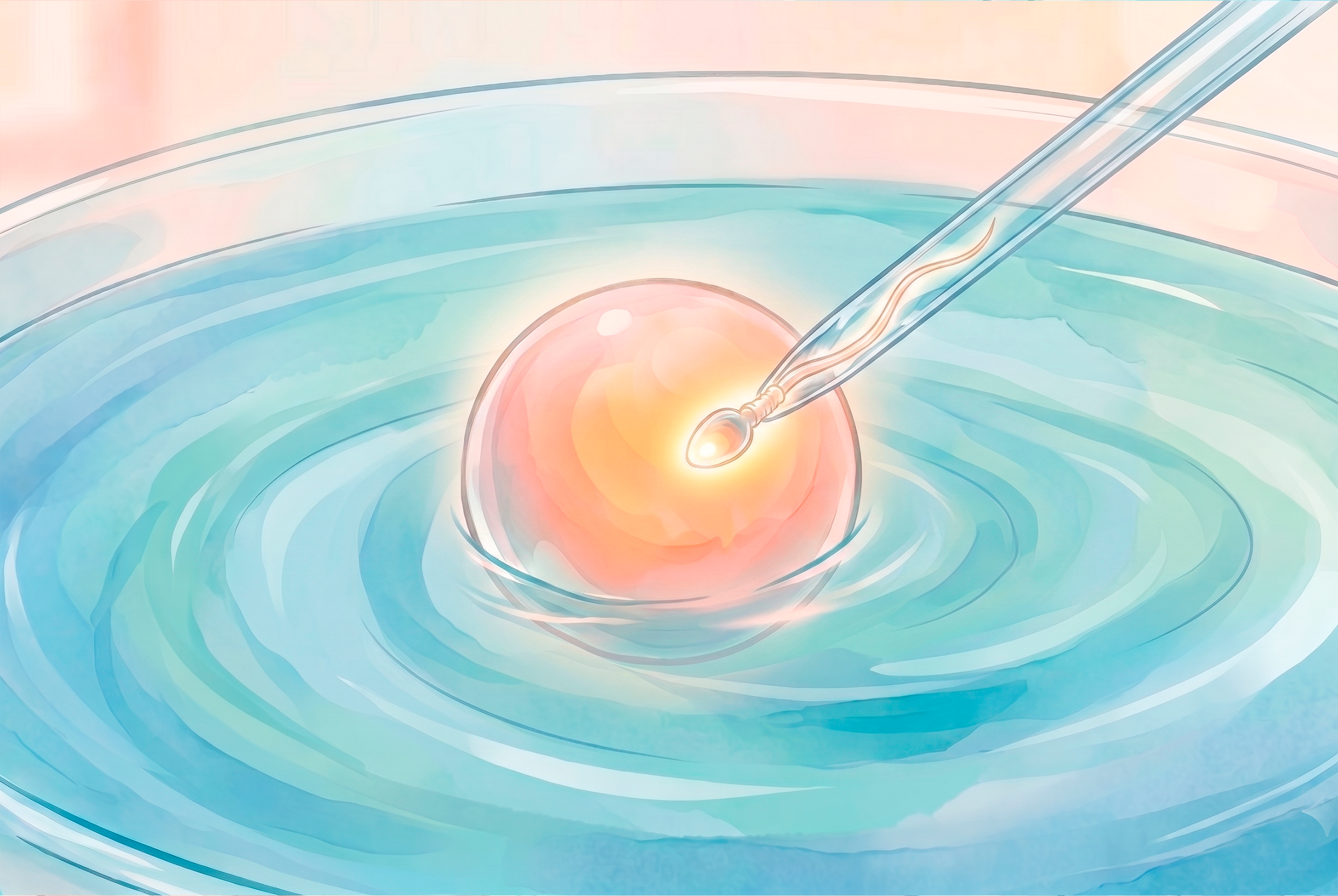
Fertilization (IVF/ICSI)
Oocytes are fertilized in the laboratory using conventional IVF or Intracytoplasmic Sperm Injection (ICSI).
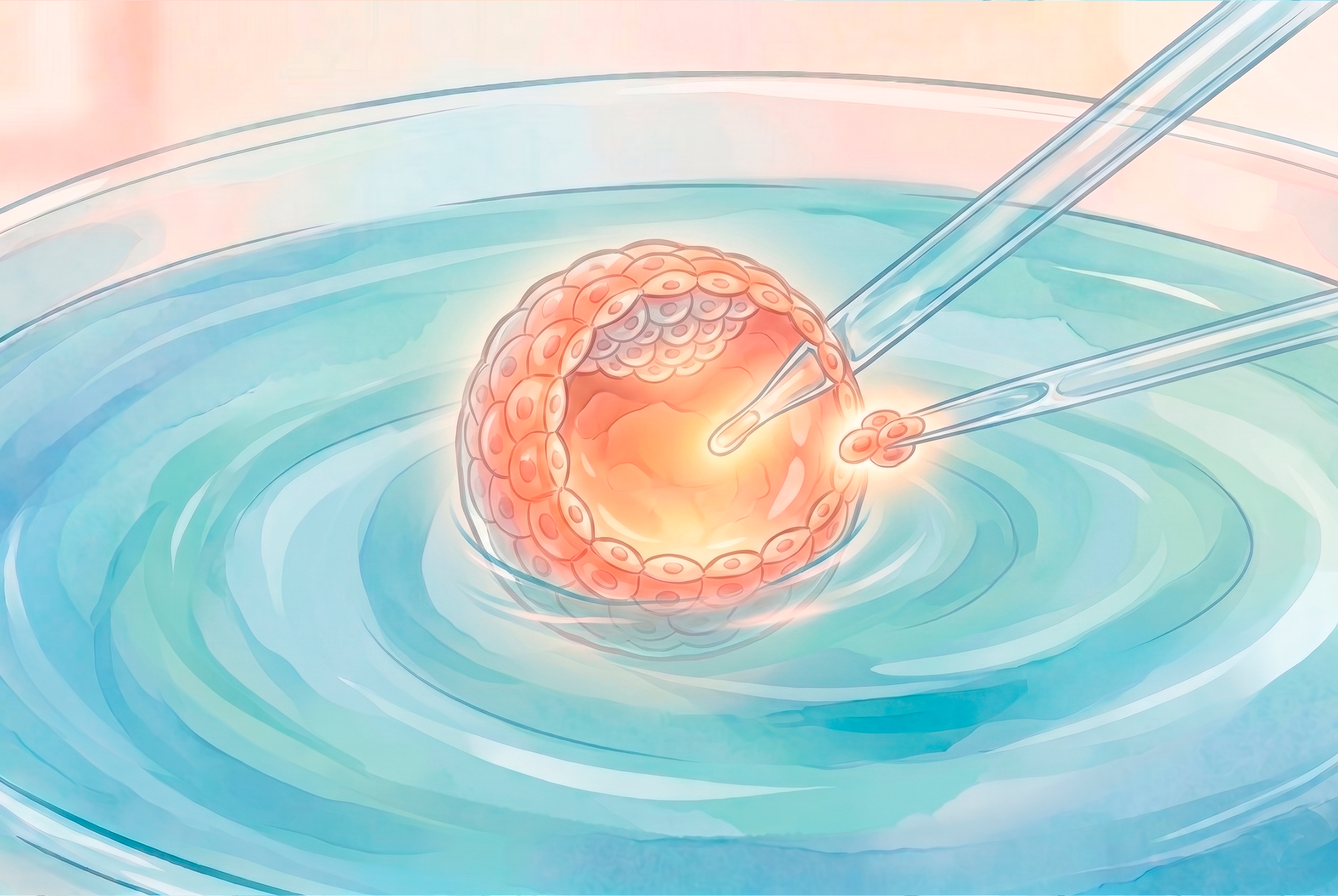
Blastocyst Biopsy
A biopsy from the embryo outer layer (day 5-6) is analyzed to assess chromosomal status without compromising viability.

Vitrification and PGT
Embryos are vitrified while genetic results are processed to plan a safer, more effective transfer.
Benefits of PGT-A
- Higher pregnancy rates per transfer
- Lower miscarriage risk
- Fewer IVF cycles needed
- Supports single embryo transfer (lower multiple pregnancy risk)
- Chromosomal screening and optional sex selection
Who is it recommended for?
- Women over 35 years old
- History of recurrent miscarriage
- Previous IVF failures
- Family history of genetic disorders
- Patients who want to avoid chromosomally abnormal transfers
Experts in reproductive genetics
Our embryology and genetics team uses advanced technology to improve your chances of a healthy pregnancy.
Contact a specialist